
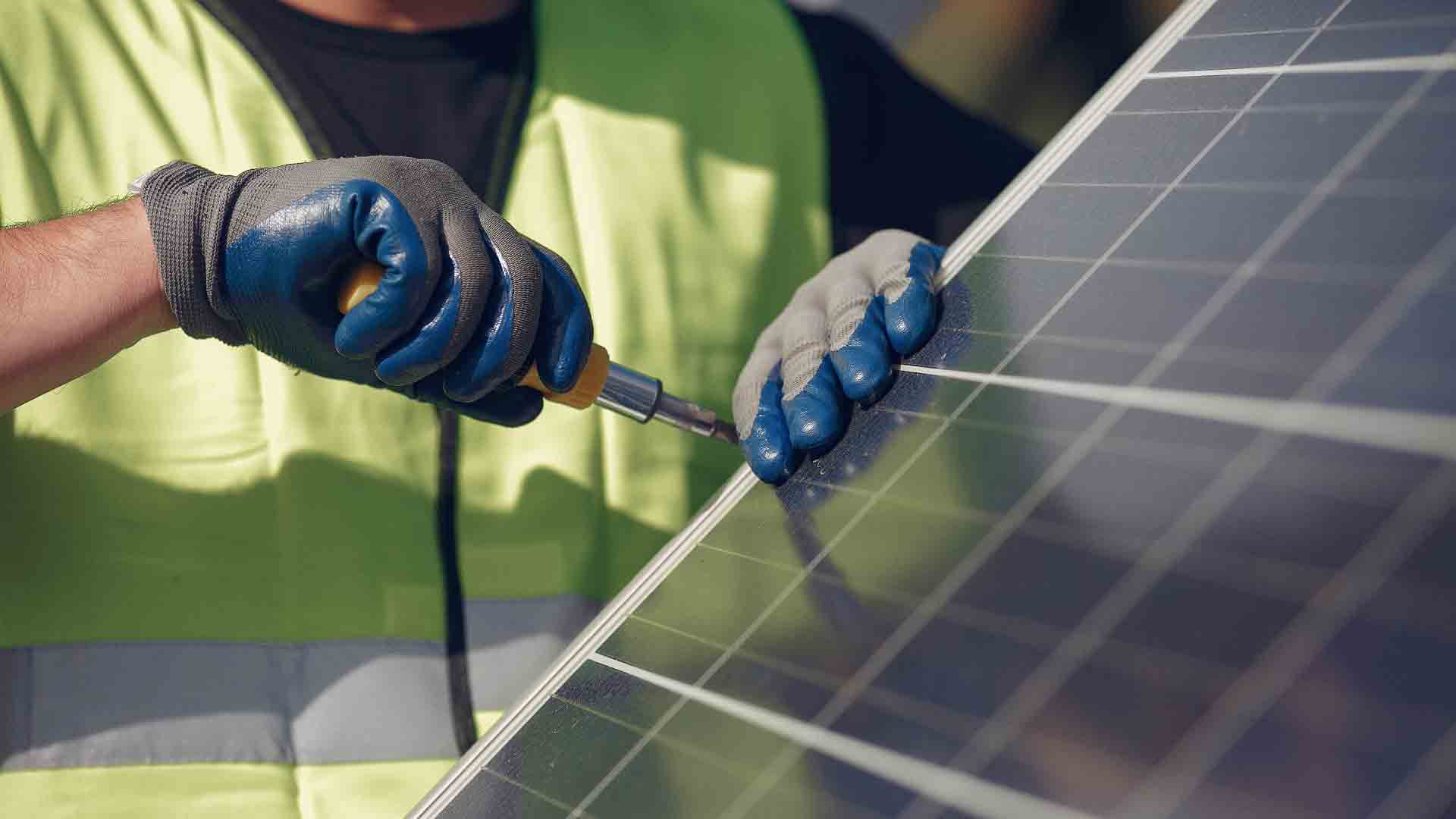
Solar is on roughly one in three Australian rooftops, yet the same tired myths keep circulating on Facebook groups and over back fences. Some of them were half-true a decade ago. Most were never true at all. Here are ten that still trip people up, and what’s actually going on.
1. Solar Panels Don’t Work on Cloudy Days
This one won’t die. Solar panels produce electricity from light, not direct sunshine. On an overcast day, a 6.6kW system still generates around 30-50% of its clear-sky output depending on how thick the cloud cover is.
Germany gets roughly half the solar irradiance of coastal NSW, and it’s one of the world’s largest solar markets. If panels didn’t work in cloud, the Germans wouldn’t bother. On the Mid North Coast we average around 5.5 peak sun hours per day across the year, cloud included.
2. Solar Is Too Expensive
This was a reasonable concern in 2010 when a 5kW system cost $25,000+. In 2026, a quality 6.6kW system with a Goodwe or Fronius inverter runs between $5,000 and $8,000 after the STC rebate.
- Average payback period on the Mid North Coast: 3 to 5 years
- System lifespan: 25+ years with minimal maintenance
- Interest-free finance available from most installers
- Government rebates knock thousands off the upfront cost
After payback, you’re looking at 20+ years of near-free electricity. Few home investments deliver that kind of return.
3. Solar Panels Damage Your Roof
Properly installed solar panels actually protect the section of roof they cover from weather, UV, and hail. A CEC-accredited installer uses mounting systems designed for Australian roofing (tin, tile, or Colorbond) with flashing and sealant to prevent leaks.
Roof damage comes from dodgy installations, not from solar panels themselves. That’s why choosing an experienced, accredited installer matters. SolaXs has been fitting systems on the Mid North Coast for 25+ years without a single structural complaint.
4. You Need a North-Facing Roof
North-facing is ideal in Australia, sure. But east and west-facing panels still produce 80-85% of what north-facing panels generate. In many cases, splitting panels across east and west gives you better coverage across morning and afternoon peaks.
- North: Maximum total output, peaks at midday
- East: Strong morning generation, suits early risers
- West: Strong afternoon generation, matches peak electricity rates
- East + West split: Flatter production curve, better self-consumption
The only orientation that genuinely struggles is south-facing, and even then, a steeper tilt angle can partly compensate. Your installer can model your specific roof to show exactly what each layout produces.
5. Solar Panels Need Constant Maintenance
Solar panels have no moving parts. There’s nothing to oil, replace, or adjust. A hose-down once or twice a year to clear dust and bird droppings is about it. Rain handles most of the cleaning on its own.
Your inverter (Goodwe Fronius or similar) should be checked by a professional every few years, but that’s a 30-minute job, not an ongoing expense. Most quality inverters come with 10-year warranties, and panels typically carry 25-year performance guarantees.
6. Batteries Aren’t Worth It Yet
This was fair advice two or three years ago. Battery prices have dropped significantly since then, and government incentives have tipped the equation further.
Right now, the federal battery rebate combined with the NSW VPP incentive can knock roughly $5,000 off a battery like the BYD HVS 11.5kWh. That brings the out-of-pocket cost down to a level where payback sits around 7 to 9 years, depending on your usage and tariff.
One catch: the federal rebate deeming factor drops from 8.4 to 6.8 on 1 May 2026, with size tapering kicking in at the same time. If you’ve been on the fence about a battery, the numbers get worse after that date.
7. Solar Won’t Power Your Whole Home
It depends on the system size. A 6.6kW system produces around 24-28kWh per day on the Mid North Coast. The average Australian household uses about 18-20kWh daily. So yes, a properly sized system can cover all your daytime electricity and then some.
Add a battery and you can use your solar power at night too. A 13.2kW system with a Sigenergy or BYD battery gets most households to 80-95% self-sufficiency.
8. Feed-in Tariffs Make Solar Not Worth It Anymore
Feed-in tariffs have dropped from the generous early days (60c/kWh in some states) to around 5-8c/kWh in NSW. Some people see that and think solar’s lost its edge. It hasn’t.
The real value of solar is in what you don’t buy from the grid, not what you sell back. Every kWh you use from your panels saves you 30-40c at current retail rates. That’s where the payback comes from.
- Self-consumed solar saves 30-40c per kWh
- Exported solar earns 5-8c per kWh
- Battery storage shifts more solar to self-consumption
- Time-of-use tariffs make batteries even more valuable
The smart play currently is to maximise self-consumption, not to chase feed-in income. Batteries, timers on hot water systems, and EV chargers all help with this.
9. All Solar Panels Are the Same
There’s a massive difference between a budget panel from an unknown manufacturer and a tier-one panel from Canadian Solar or Jinko. The key differences come down to:
- Efficiency: Premium panels convert more sunlight per square metre
- Degradation rate: Better panels lose less output over 25 years
- Warranty backing: Tier-one manufacturers have Australian offices and honour claims
- Temperature coefficient: Important on the Mid North Coast where summer roof temps hit 60°C+
Similarly, a Fronius inverter and a no-name Chinese inverter are not comparable products. The inverter is the hardest-working component in your system. Spending an extra few hundred dollars on a quality unit saves thousands in avoided replacements.
10. You Should Wait for Better Technology
This is the myth that costs people the most money. Yes, solar technology keeps improving. But waiting means:
- Paying full retail electricity prices every quarter you delay
- Missing out on higher STC rebates (they drop each year until 2030)
- Missing the current battery rebate before the May this year reduction
- Waiting for technology that’s already good enough to deliver a 3-5 year payback
Panels installed today produce well above what the average household needs. The “better technology” coming next year might squeeze out an extra 2% efficiency, but you’ll have lost a full year of savings waiting for it.
Get the Facts from a Local Installer
The best way to cut through the noise is to talk to someone who’s been doing this for a while. SolaXs has 25+ years of experience installing solar across the Mid North Coast, from Port Macquarie to Coffs Harbour and everywhere in between.
Contact us for a no-obligation quote tailored to your roof, your usage, and your budget. We’ll show you the real numbers, no myths attached.
For more information, see the Clean Energy Council solar buyers guide and the Australian Government solar PV and batteries.
How to Spot Solar Misinformation Online
Solar misinformation spreads fast, especially on social media and in online forums. Some of it comes from outdated information that was once true but no longer applies. Some comes from people with a financial interest in keeping you off solar. Knowing how to filter the noise helps you make a confident decision.
The easiest red flag is any claim that uses round numbers without a source. Statements like “solar only lasts 10 years” or “batteries never pay for themselves” sound definitive but lack context. Modern solar panels carry 25-year performance warranties, and battery payback depends entirely on your usage, tariff, and system size.
Use this quick checklist when evaluating solar claims:
- Check the date solar technology and pricing change rapidly, and anything older than two years may be irrelevant
- Look for specifics credible sources cite panel models, inverter brands, or real installation data rather than vague generalisations
- Consider the source fossil fuel lobby groups and unqualified commentators have different motivations than CEC-accredited installers
- Compare with government data the Clean Energy Regulator publishes real installation and generation figures for Australia
- Ask your installer a reputable local company like SolaXs can clarify any claim with real-world Mid North Coast data
What This Means for Mid North Coast Homeowners
The Mid North Coast is one of the best regions in Australia for solar. With around 5.2 peak sun hours per day and rising electricity prices, the numbers keep improving for homeowners who go solar.
- High solar yield: Port Macquarie, Coffs Harbour, and surrounding areas receive consistent sunlight year-round. Even in winter, a well-sized system produces enough to cover most daytime usage.
- Rising grid costs: Electricity prices on the Mid North Coast have increased by more than 20% over the past three years. Solar locks in a fixed energy cost for 25 years.
- Strong feed-in tariffs are gone: The days of generous feed-in rates are over. Self-consumption is now the key to savings, which makes system sizing and battery storage more important than ever.
- Local installers matter: When something goes wrong, you want an installer who can be on your roof the same week, not a company based in Sydney or Melbourne.
SolaXs has been installing and servicing solar systems in the Port Macquarie region for over 25 years. Get a free quote tailored to your property and energy usage.
The best defence against solar myths is talking to someone who installs systems every day in your area. Conditions on the Mid North Coast differ from Melbourne or Perth, and generic advice often misses the mark. Reach out to SolaXs for straight answers based on local experience.