
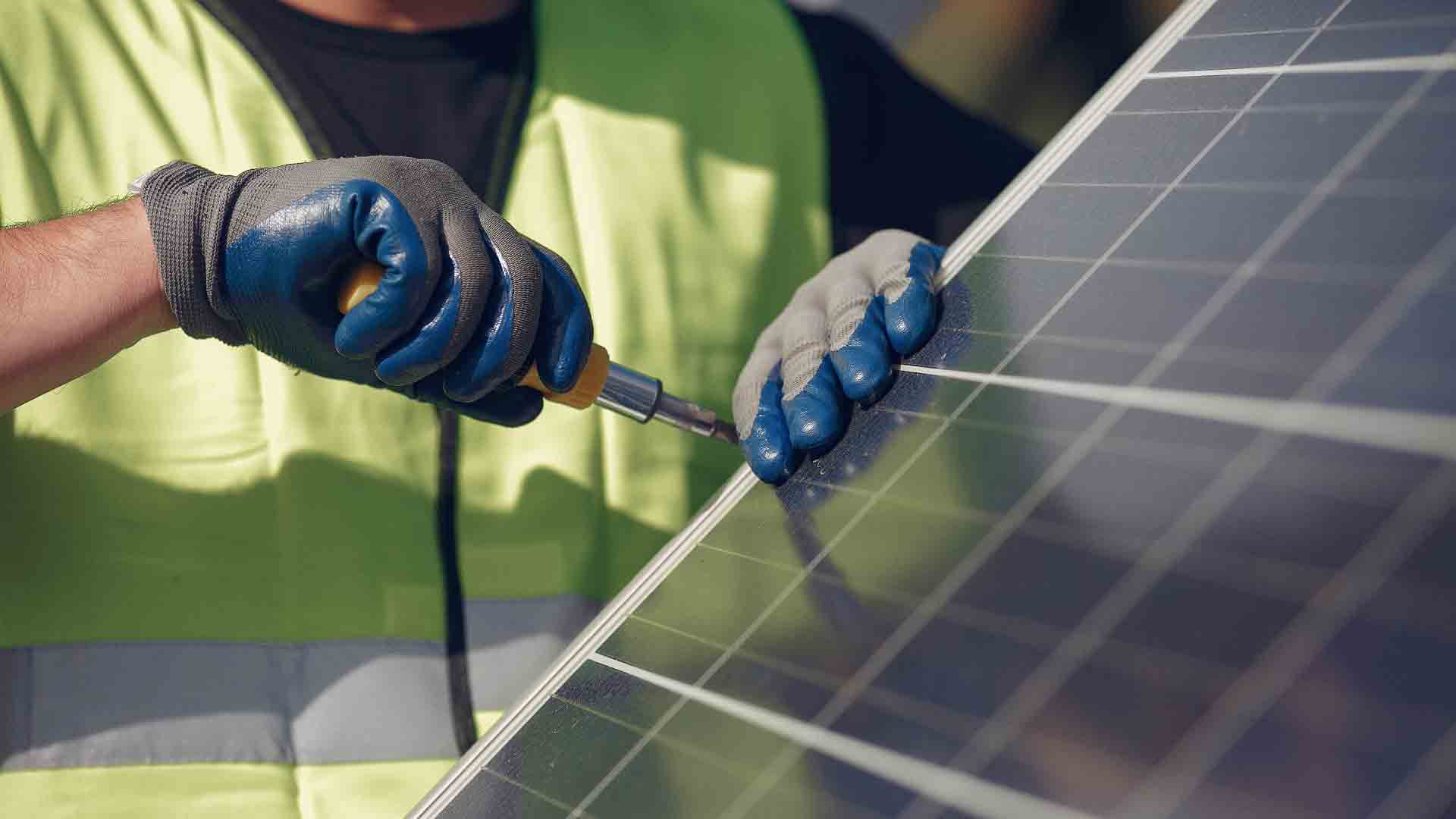
Yes, a house can run on solar power alone, but it takes the right combination of panels, battery storage, and energy management to make it work reliably.
Going fully solar is not just about bolting panels to your roof. You need enough generation capacity to cover your peak days, enough storage to get through the nights, and a plan for those stretches of overcast weather that reduce output.
On the Mid North Coast, we get strong year-round sunshine that makes solar independence more achievable than in most parts of Australia. This guide covers what it takes to run your home entirely on solar, what the realistic costs look like, and whether going off-grid or staying grid-connected makes more sense.
Grid-Connected vs Off-Grid Solar
Before working out if your house can run on solar alone, it helps to understand the two main approaches.
| Grid-Connected + Battery | Fully Off-Grid | |
|---|---|---|
| Grid backup | Yes, draws from grid when needed | No, must be fully self-sufficient |
| Battery size | Medium (10-15 kWh) | Large (20-40+ kWh) |
| Cost | Lower | Higher (2-3x battery cost) |
| Reliability | Very high | High, but needs careful sizing |
| Best for | Most suburban homes | Rural properties, no grid access |
Most homeowners on the Mid North Coast get the best value from a grid-connected system with battery storage. You produce and store your own power, but the grid is there as a safety net.
A grid-connected system with a battery can cover 80-95% of your electricity needs. True off-grid requires significantly more panels and storage to handle worst-case scenarios.
How Much Solar Do You Need to Power a House?
The amount of solar you need depends on your daily electricity usage, how much of that usage falls during daylight hours, and whether you have a battery to store the rest. The average Australian household uses 15 to 25 kWh per day, though homes with pools, ducted air conditioning, or electric vehicles can sit well above that.
| Daily Usage | Recommended Panels | Recommended Battery |
|---|---|---|
| 10-15 kWh | 6.6kW system | 10 kWh |
| 15-25 kWh | 10kW system | 13-15 kWh |
| 25-40 kWh | 13.2kW system | 20+ kWh |
These figures assume you want to cover most of your overnight and cloudy-day usage with stored solar. If you are staying grid-connected, you can size the battery smaller and let the grid fill any gaps.
The Role of Battery Storage
Without a battery, your solar system only helps during daylight hours. As soon as the sun sets, you are back on grid power. A solar battery changes the equation by storing surplus daytime energy for use at night.
- A 10 kWh battery covers most overnight usage for a 2-3 person household
- A 15 kWh battery handles larger homes with evening air conditioning or pool pumps
- Stacking two batteries (20+ kWh) is common for households aiming for near-complete independence
Popular battery options include BYD lithium iron phosphate units and Sigenergy hybrid systems that combine the inverter and battery in one unit.
Battery technology has improved significantly in recent years. Lithium iron phosphate (LFP) chemistry is now the standard for home storage because it handles thousands of charge cycles without losing capacity, and it operates safely in Australian temperatures.
What Affects Your Level of Solar Independence?
Several factors determine how close you can get to running your house on solar alone.
- Roof orientation. North-facing panels produce the most energy. East-west splits work but generate less per panel.
- Shading. Trees, neighbouring buildings, or roof features that cast shadows reduce output significantly.
- Seasonal variation. Winter days are shorter and the sun sits lower. Expect 30-40% less production in June compared to December.
- Energy habits. Running heavy loads during the day (when solar is producing) dramatically increases self-consumption.
- Hot water. Switching to a heat pump hot water system powered by solar eliminates one of the biggest energy draws in a home.
Can You Go Fully Off-Grid?
Going fully off-grid means disconnecting from the electricity network entirely. Your solar and battery system must handle every kilowatt-hour your household uses, including during extended cloudy periods.
For a typical 3-4 person household using 20 kWh per day, a full off-grid setup usually includes:
- A 13.2kW (or larger) solar array
- 30 to 40 kWh of battery storage across multiple units
- A backup generator for extended bad weather (optional but recommended)
- An energy management system to prioritise loads
Off-grid systems cost significantly more than grid-connected setups because of the extra battery capacity and the need for redundancy. You cannot afford to run out of stored power when there is no grid to fall back on, so the system must be oversized for worst-case scenarios.
For most suburban homes on the Mid North Coast, staying grid-connected with a battery gives you 80-95% solar independence at a fraction of the off-grid price. You still get the grid as a safety net for extended cloudy periods or unusually high usage days.
Off-grid makes the most sense for rural properties where the cost of running grid power to the site exceeds the cost of a standalone solar system.
Smart Energy Management Tips
Whether you go off-grid or stay connected, these habits will push your solar independence higher.
- Shift heavy loads to daytime. Dishwasher, washing machine, clothes dryer, pool pump. Timer switches make this easy.
- Heat water with solar. A heat pump running during peak solar hours uses free electricity.
- Monitor your system daily. Your inverter app (GoodWe and Fronius both have good ones) shows when you are producing, consuming, and exporting.
- Reduce phantom loads. Standby power from TVs, gaming consoles, and chargers adds up. Use power boards with switches.
- Consider an EV charger. If you drive an electric vehicle, a smart EV charger can schedule charging during peak solar production.
Costs and Payback for Solar Independence
The cost of running your house on solar depends on how far you want to go. A grid-connected system with a battery is the most cost-effective path to near-complete independence. Here is a rough cost comparison for the two main approaches on the Mid North Coast.
| Setup | Typical Cost | Grid Imports | Payback Period |
|---|---|---|---|
| 10kW solar + 13kWh battery (grid-connected) | $15,000 – $20,000 | 5-20% of usage | 5-7 years |
| 13.2kW solar + 30kWh battery (off-grid) | $35,000 – $50,000 | 0% | 8-12 years |
Government rebates reduce these costs further. The federal STC rebate, battery rebate, and NSW VPP incentives can take thousands off the installed price.
- STC rebates reduce panel costs at the point of sale
- Federal battery rebate and NSW VPP incentives can save around $5,000 on a typical battery
- The federal battery rebate deeming factor drops on 1 May 2026, so acting sooner locks in more savings
Find Out What Solar Independence Looks Like for Your Home
Running a house on solar alone is realistic for many homes on the Mid North Coast. Whether you want to minimise grid reliance with a battery-backed system or go fully off-grid, the right setup starts with understanding your usage and your roof.
SolaXs has over 25 years of experience designing and installing solar systems for homes across the region. We are local to Port Macquarie and understand Mid North Coast conditions, roof types, and network requirements.
Visit our homepage to see our range of solar packages, or contact us for a free, no-obligation assessment of what solar independence looks like for your property.
Prices shown are approximate guides only and vary by property, system size, and installer. Contact SolaXs for an accurate quote tailored to your situation.
Key Considerations for Going Fully Off-Grid
Running a house entirely on solar is appealing, but it requires careful planning. The Mid North Coast climate is favourable, though a handful of factors determine whether full off-grid is practical for your property.
Before committing to an off-grid setup, think through these points:
- Your daily energy consumption needs to be well understood, not estimated
- You will need a significantly larger system than a grid-connected home, often 13.2kW or above
- Multiple battery units are required to cover overnight and cloudy-day usage
- A backup generator is strongly recommended for extended overcast periods during winter
- The upfront cost is substantially higher than a standard grid-connected solar installation
For most Mid North Coast households, a hybrid system with battery backup offers the best balance of independence and reliability. The team at SolaXs can assess your property and usage patterns to recommend the right approach. Book a consultation to explore your options.
What This Means for Mid North Coast Homeowners
The Mid North Coast is one of the best regions in Australia for solar. With around 5.2 peak sun hours per day and rising electricity prices, the numbers keep improving for homeowners who go solar.
- High solar yield: Port Macquarie, Coffs Harbour, and surrounding areas receive consistent sunlight year-round. Even in winter, a well-sized system produces enough to cover most daytime usage.
- Rising grid costs: Electricity prices on the Mid North Coast have increased by more than 20% over the past three years. Solar locks in a fixed energy cost for 25 years.
- Strong feed-in tariffs are gone: The days of generous feed-in rates are over. Self-consumption is now the key to savings, which makes system sizing and battery storage more important than ever.
- Local installers matter: When something goes wrong, you want an installer who can be on your roof the same week, not a company based in Sydney or Melbourne.
SolaXs has been installing and servicing solar systems in the Port Macquarie region for over 25 years. Get a free quote tailored to your property and energy usage.
For more information, see the Clean Energy Council solar buyers guide and the Australian Government solar PV and batteries.