
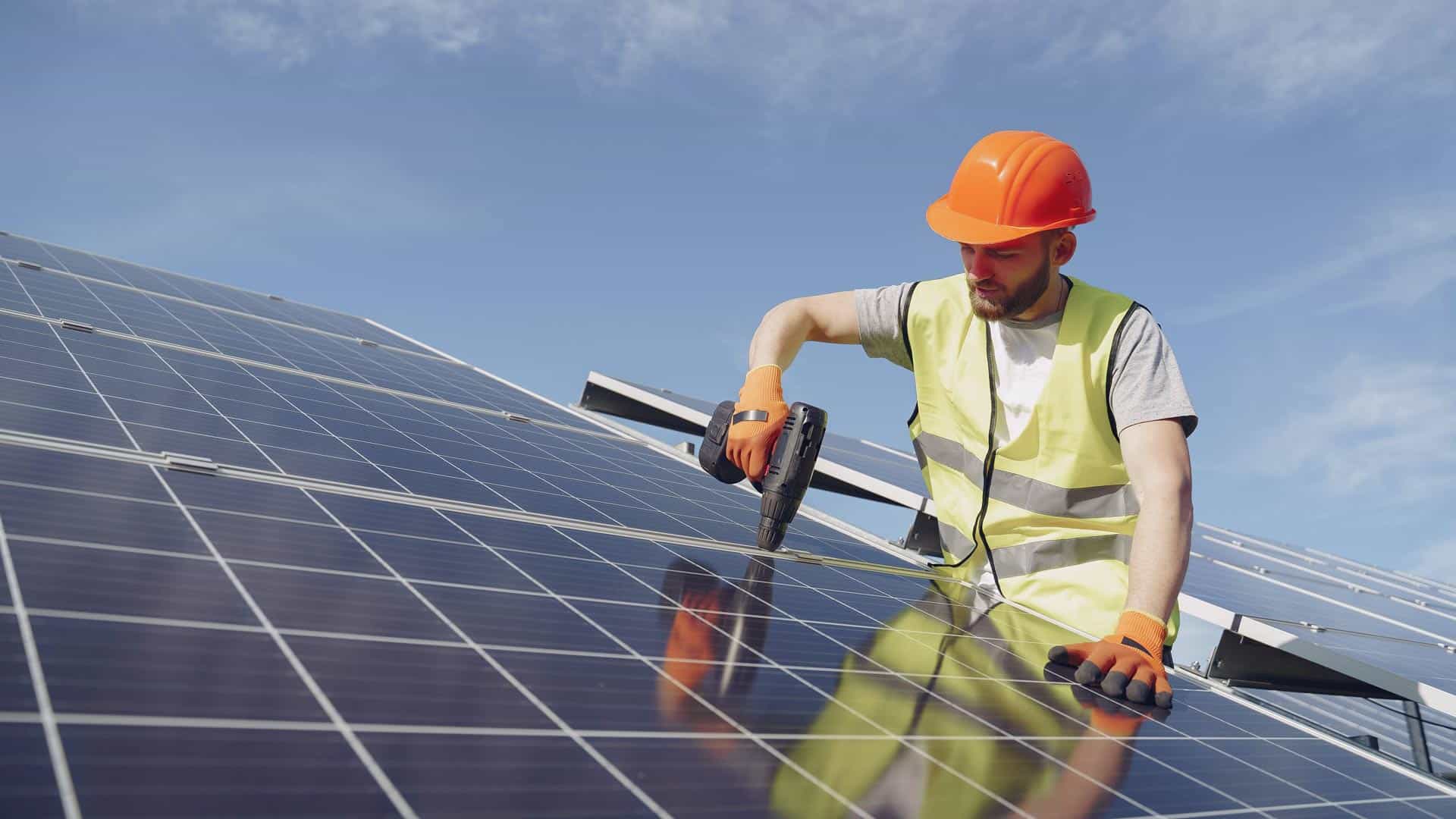
Port Macquarie has become one of the strongest markets for residential solar installation on the NSW Mid North Coast. More homes across the region are switching to solar every month, driven by rising electricity costs, government incentives, and the simple fact that the area gets excellent sunshine. Here’s a look at why solar uptake is growing so fast in Port Macquarie and what it means for local homeowners.
Why Port Macquarie Is Built for Solar
Not every region in Australia gets the same return from solar. Port Macquarie and the Mid North Coast sit in a sweet spot for residential solar generation.
- Average of 5.2 peak sun hours per day, well above the national average
- Mild coastal climate keeps panels running efficiently without overheating
- Mix of older and newer homes with good roof space and orientation
- Growing population bringing new builds that are solar-ready from day one
These conditions mean that a solar system installed in Port Macquarie will typically generate more energy per kilowatt than the same system installed in Sydney, Melbourne, or Canberra.
The Numbers Behind Local Solar Growth
Solar adoption across the Mid North Coast has accelerated significantly over the past few years. Several factors are driving this trend.
- Electricity prices in NSW have risen by over 25% in the past three years
- The federal Small-scale Renewable Energy Scheme (SRES) provides upfront rebates through STCs (Small-scale Technology Certificates)
- Battery rebates from both federal and state programs have made storage more accessible
- System prices have dropped while panel efficiency has improved, making the payback period shorter than ever
Worth noting: A typical 6.6kW system in Port Macquarie pays for itself in 3 to 4 years through electricity savings and feed-in tariff credits. After that, the energy is essentially free for the remaining 20+ years of the system’s life.
What a Typical Port Macquarie Solar Installation Looks Like
Every home is different, but there are common patterns in what works well for residential solar in this region.
| System Size | Typical Household | Daily Generation | Annual Savings |
|---|---|---|---|
| 6.6kW | 2 to 3 people, moderate usage | 26 to 30 kWh | $1,200 to $1,800 |
| 10kW | Family of 4+, pool or ducted AC | 40 to 45 kWh | $1,800 to $2,500 |
| 13.2kW | Large home, high usage, EV | 52 to 60 kWh | $2,500 to $3,500 |
The most popular choice for Port Macquarie homes is the 6.6kW system, which fits most single-storey roofs and covers the energy needs of a typical household. Larger homes or those with pools, air conditioning, or electric vehicles benefit from stepping up to 10kW or 13.2kW.
Choosing the Right Components
The quality of your solar system depends on the components you choose. Cheaper systems might save money upfront but often underperform and degrade faster. Here’s what matters.
Solar Panels
Tier 1 panels from manufacturers like Canadian Solar and Jinko are the standard for quality residential installations. They come with 25-year performance warranties and are tested to handle Australian conditions, including salt air on the coast.
Inverters
The inverter converts the DC power from your panels into usable AC power for your home. Reliable brands like Goodwe and Fronius offer WiFi monitoring, long warranties, and proven track records in Australian conditions.
Batteries
Adding a solar battery lets you store daytime generation for evening use. Brands like BYD and Sigenergy are popular choices for residential storage on the Mid North Coast.
- Batteries reduce grid reliance to as low as 10 to 20% for many homes
- Time-of-use tariffs make batteries more valuable as you avoid expensive peak rates
- Current government rebates can reduce the upfront cost of a battery by $2,000 to $3,000
- Battery technology continues to improve, with newer models offering higher capacity in smaller footprints
The Installation Process
Getting solar installed on your Port Macquarie home is straightforward when you work with an experienced local installer. Here’s what the process typically looks like.
- Site assessment to A CEC-accredited installer inspects your roof, checks orientation, shading, and structural suitability
- System design to Based on your energy usage, roof layout, and goals, the installer recommends a system size and component selection
- Quote and approval to You receive a detailed quote including all components, installation, and the STC rebate applied upfront
- Installation to Most residential installations take one day. Panels, inverter, and wiring are all completed and tested
- Grid connection to Your installer handles the paperwork with Essential Energy to get your system connected and exporting
- Monitoring setup to WiFi-connected inverters let you track generation and usage from your phone
Good to know: The entire process from initial enquiry to generating solar power typically takes 2 to 4 weeks, depending on Essential Energy connection timeframes.
Why Local Experience Matters
Solar installation is not a one-size-fits-all job. Local conditions, council requirements, and grid connection processes vary by region. Working with a local installer who knows the Mid North Coast means:
- Familiarity with local roof types, from older timber-frame homes to modern colorbond
- Established relationships with Essential Energy for faster grid connections
- Understanding of coastal conditions like salt air exposure that affect component selection
- Ongoing local support for maintenance, monitoring, and future upgrades
SolaXs has been installing solar systems across the Mid North Coast for over 25 years. That local experience shows in every installation, from component selection to after-sales support.
Making the Most of Your Solar Investment
Installing panels is the first step. How you use your solar energy determines how quickly the system pays for itself. A few habits make a real difference.
- Run heavy appliances during the day to dishwashers, washing machines, and dryers should run when your panels are generating at full capacity
- Set pool pumps to daytime hours to pool pumps are one of the biggest energy draws in a typical Port Macquarie home
- Pre-cool your home in the afternoon to run the air conditioning while solar is still generating so you’re not drawing from the grid at peak evening rates
- Monitor your system to apps from Goodwe and Fronius show you real-time generation and usage, helping you shift consumption to match solar output
Homeowners who actively manage their energy use can increase self-consumption from 30% to over 60%, significantly improving the financial return on their system.
EV Charging and Future-Proofing Your Home
Electric vehicle ownership is growing fast across regional NSW. Charging an EV from the grid can add $600 to $1,000 per year to your electricity bill. Charging from your own solar system costs next to nothing.
- A 13.2kW solar system produces enough excess energy to charge a daily commuter EV
- Pairing solar with a dedicated EV charger makes your home ready for the electric vehicle shift
- Homes with solar and EV charging infrastructure are increasingly attractive to younger buyers entering the market
What Homeowners Are Gaining
The shift to solar across Port Macquarie is delivering real results for homeowners. Beyond the bill savings, there are benefits that add up over time.
- Protection against future electricity price rises
- Increased property value (solar homes sell faster and for more)
- Reduced carbon footprint, contributing to a cleaner Mid North Coast
- Energy independence, especially when paired with battery storage
- Access to feed-in tariffs that provide credits on exported energy
Get Started With Solar in Port Macquarie
Whether you’re building a new home or upgrading an existing one, solar makes financial sense in Port Macquarie. With strong sunshine, government incentives still available, and rising electricity costs, there’s no better time to make the switch.
SolaXs is your local, CEC-accredited solar installer with over 25 years of experience on the Mid North Coast. Contact us for a free quote tailored to your home and energy needs.
What This Means for Mid North Coast Homeowners
The Mid North Coast is one of the best regions in Australia for solar. With around 5.2 peak sun hours per day and rising electricity prices, the numbers keep improving for homeowners who go solar.
- High solar yield: Port Macquarie, Coffs Harbour, and surrounding areas receive consistent sunlight year-round. Even in winter, a well-sized system produces enough to cover most daytime usage.
- Rising grid costs: Electricity prices on the Mid North Coast have increased by more than 20% over the past three years. Solar locks in a fixed energy cost for 25 years.
- Strong feed-in tariffs are gone: The days of generous feed-in rates are over. Self-consumption is now the key to savings, which makes system sizing and battery storage more important than ever.
- Local installers matter: When something goes wrong, you want an installer who can be on your roof the same week, not a company based in Sydney or Melbourne.
SolaXs has been installing and servicing solar systems in the Port Macquarie region for over 25 years. Get a free quote tailored to your property and energy usage.
For more information, see the Clean Energy Council solar buyers guide and the Australian Government solar PV and batteries.