
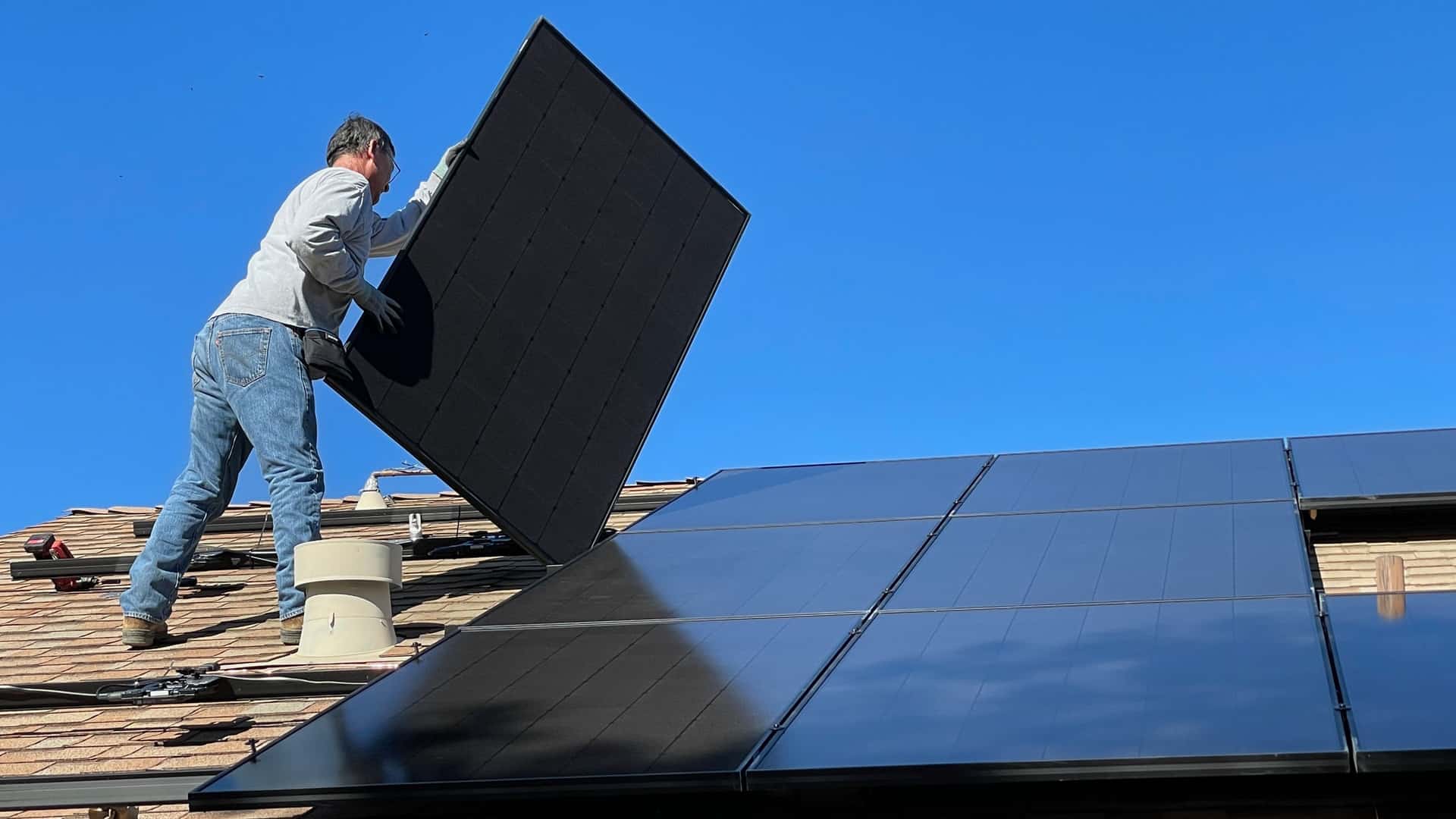
Going solar sounds straightforward until you start looking into it. System sizes, inverter brands, panel types, rebates, grid connection paperwork, roof assessments. There are a lot of moving parts, and most homeowners have never dealt with any of them before. That is exactly why SolaXs exists. We handle the entire process from the first phone call to the final grid connection so you do not have to become a solar expert overnight.
With over 25 years of experience installing residential solar across the Port Macquarie region and wider Mid North Coast, we have refined the process down to a few clear steps. Here is what switching to solar actually looks like when you work with a local, CEC-accredited installer.
Step 1: Initial Consultation and Site Assessment
Every home is different. Roof pitch, orientation, shading, available space, and your household’s electricity usage all influence what system you need. We start with a conversation about your power bills and energy goals, then assess your property to determine the best setup.
During the site assessment, we look at:
- Roof orientation and tilt angle (north-facing is ideal, but east-west splits work well on the Mid North Coast).
- Shading from trees, neighbouring buildings, or roof features.
- Available roof space and structural condition.
- Your current electricity consumption from recent bills.
- Whether you plan to add a battery or EV charger now or in the future.
This assessment is free and there is no obligation. It gives us the information we need to design a system that actually fits your home rather than a generic package that might underperform.
Step 2: System Design and Quote
Based on the site assessment, we design a system tailored to your roof and usage. This includes selecting the right panel count, inverter brand, and system size. We work with trusted manufacturers like Canadian Solar and Jinko for panels, and Goodwe or Fronius for inverters.
Your quote includes everything: panels, inverter, mounting hardware, installation labour, electrical work, and the grid connection application. There are no hidden costs or surprise extras.
Not sure what size you need? A 6.6kW system suits most couples and small households. A 10kW system covers larger families. A 13.2kW system is the sweet spot for high-usage homes with pools or plans to add an EV charger.
Step 3: Rebates and Paperwork
Government incentives reduce the upfront cost of solar, but the paperwork can be confusing. SolaXs handles all of it on your behalf. We process your Small-scale Technology Certificate (STC) claim, which is the main federal rebate that knocks thousands off the system price.
If you are adding a battery, we also help you access:
- The federal battery rebate for eligible systems.
- The NSW Virtual Power Plant (VPP) incentive.
- Combined savings of around $5,000 on a typical 11.5kWh battery.
The federal rebate deeming factor drops on 1 May 2026, which means systems installed before that date get a bigger discount. We can walk you through exactly what that means for your quote.
Step 4: Installation Day
Installation typically takes one day for a standard residential system. Our team arrives in the morning, installs the mounting rails and panels, fits the inverter, and completes all electrical work. By the afternoon, the system is physically complete.
What to expect on the day:
- The team works on your roof and at your switchboard. You do not need to be home the entire time, but someone should be available at the start and end.
- There will be a brief power shutdown while the inverter is connected to the switchboard. This usually lasts less than an hour.
- All work is completed by CEC-accredited electricians to Australian Standards.
- We clean up and leave your property as we found it.
For larger systems or battery installations, the job may extend to a second day. We will let you know the expected timeline before we start.
Step 5: Grid Connection and Activation
After installation, your system needs to be connected to the grid and approved by your electricity distributor (Essential Energy on the Mid North Coast). SolaXs submits all the required documentation on your behalf. Once approved, your system is switched on and begins generating power.
Grid connection approval typically takes a few business days. During this waiting period, your system may operate in a limited mode. Once the green light comes through, you are fully operational and any excess power you export earns a feed-in tariff credit on your bill. We keep you updated throughout the process so there are no surprises.
Step 6: Monitoring and Ongoing Support
Once your system is live, you can track its performance in real time through your inverter’s monitoring app. Goodwe and Fronius both offer apps that show daily production, consumption, and export figures on your phone.
If anything seems off, SolaXs is a phone call away. As a local business based in Port Macquarie, we can have someone at your property quickly if a site visit is needed. We do not disappear after the install. Warranty support, performance checks, and general advice are all part of the service.
- Real-time monitoring via inverter app.
- Local support from a Port Macquarie-based team.
- Warranty assistance handled directly by SolaXs.
- Advice on adding batteries or upgrading your system later.
Common Questions Before Going Solar
Most homeowners we speak to have similar questions before committing. Here are the ones that come up most often:
- Will solar work on my roof? Most roofs on the Mid North Coast are suitable. Even if your roof is not perfectly north-facing, east-west configurations produce strong results with our sunshine hours.
- How long until the system pays for itself? Typical payback sits between three and five years depending on system size and usage. After that, the electricity is essentially free.
- What happens on cloudy days? Panels still produce power in overcast conditions, just at a reduced rate. Your system stays connected to the grid, so you always have power available.
- Do I need a battery straight away? Not necessarily. Many homeowners start with panels and add a battery later when prices drop further or when they want more independence from the grid.
- What maintenance is involved? Very little. Panels have no moving parts. An occasional visual check and a rinse with the hose once or twice a year is usually all that is needed. The inverter monitoring app will alert you if anything needs attention.
Why Local Experience Matters
The Mid North Coast has specific conditions that affect solar performance. Salt air near the coast, summer storm patterns, and the mix of roof types across older and newer homes all influence system design. A company that has been working in this region for over 25 years understands these factors in a way that a fly-in-fly-out installer from Sydney cannot match.
SolaXs knows which panel mounts hold up best in coastal conditions, which inverter models handle the local grid characteristics, and how to maximise output on the roof types common in Port Macquarie and surrounding suburbs. That local knowledge translates directly into a system that performs better and lasts longer.
Ready to get started? Contact SolaXs for a free site assessment and quote. We will design a system that fits your home, handle all the paperwork, and install it with the care that comes from 25+ years in the industry.
Common Mistakes When Switching to Solar
Plenty of Mid North Coast homeowners rush into solar without doing the groundwork first. A few simple mistakes can cost thousands in lost savings or force you into an upgrade sooner than expected.
Here are the most common pitfalls we see across Port Macquarie, Coffs Harbour, and surrounding areas:
- Choosing the cheapest system without checking panel quality or inverter reliability
- Undersizing the system for your household’s actual energy use
- Ignoring roof orientation and shading, which dramatically affects output on the Mid North Coast
- Not factoring in future needs like EV charger installation or a battery addition
- Skipping a professional site assessment and relying on online calculators alone
The right installer will walk you through each of these before quoting. At SolaXs, our team assesses your roof, energy habits, and future plans so the system you get today still works for you down the track. If you are unsure where to start, get in touch for a no-obligation assessment. We service the entire Mid North Coast from Taree through to Coffs Harbour.
What This Means for Mid North Coast Homeowners
The Mid North Coast is one of the best regions in Australia for solar. With around 5.2 peak sun hours per day and rising electricity prices, the numbers keep improving for homeowners who go solar.
- High solar yield: Port Macquarie, Coffs Harbour, and surrounding areas receive consistent sunlight year-round. Even in winter, a well-sized system produces enough to cover most daytime usage.
- Rising grid costs: Electricity prices on the Mid North Coast have increased by more than 20% over the past three years. Solar locks in a fixed energy cost for 25 years.
- Strong feed-in tariffs are gone: The days of generous feed-in rates are over. Self-consumption is now the key to savings, which makes system sizing and battery storage more important than ever.
- Local installers matter: When something goes wrong, you want an installer who can be on your roof the same week, not a company based in Sydney or Melbourne.
SolaXs has been installing and servicing solar systems in the Port Macquarie region for over 25 years. Get a free quote tailored to your property and energy usage.
For more information, see the Clean Energy Council solar buyers guide and the Australian Government solar PV and batteries.