
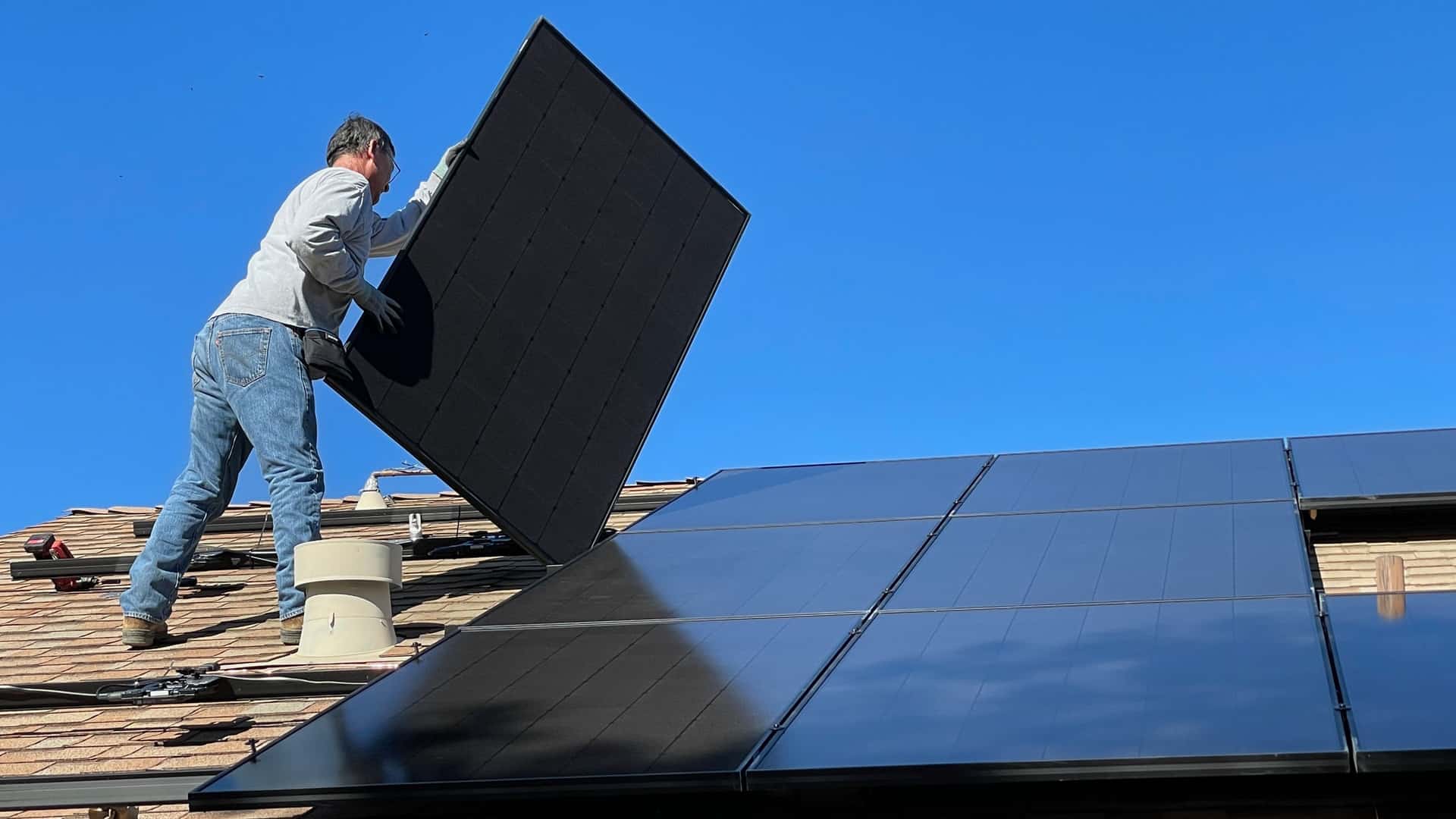
Port Macquarie sits on one of the sunniest stretches of the NSW Mid North Coast, and local homeowners are putting that sunlight to work. Over the past few years, rooftop solar installations across Port Macquarie have grown steadily, driven by rising electricity prices, strong government incentives, and a genuine desire to cut household emissions.
If you have been thinking about making the switch, here is what solar energy actually looks like for homes in the region and why so many locals are already on board.
Why Port Macquarie Gets So Much From Solar
The Mid North Coast averages roughly 5.2 peak sun hours per day across the year. That figure matters because it directly determines how much electricity your panels produce. A typical 6.6kW solar system in Port Macquarie can generate around 25 to 28 kWh daily, enough to cover the average household’s daytime consumption and then some.
Compare that to cities further south like Sydney or Melbourne, where cloud cover and shorter winter days reduce annual output. Port Macquarie’s coastal climate keeps temperatures moderate too, which helps panels maintain efficiency. Solar cells lose output in extreme heat, so the sea breeze that rolls through most afternoons is a genuine performance advantage over hotter inland regions.
- Average daily solar generation for a 6.6kW system: 25 to 28 kWh
- Typical household daytime usage: 10 to 15 kWh
- Surplus energy exported or stored in a battery
- North-facing roofs perform best, but east-west splits still work well in this climate
- Coastal temperatures keep panel efficiency higher than inland regions
What Size System Suits a Port Macquarie Home
System size depends on your household’s electricity usage, roof space, and whether you plan to add a battery later. For most homes in the area, a 6.6kW system is the sweet spot. It is the largest system you can install and still claim the full small-scale technology certificate (STC) rebate on a single-phase connection.
Larger households running air conditioning, a pool pump, or planning for an EV charger should look at 10kW or 13.2kW systems. These require three-phase power but deliver significantly more output year-round. A growing number of new builds in the Port Macquarie area are being wired for three-phase specifically to accommodate larger solar arrays.
| System Size | Daily Output (Approx.) | Best For |
|---|---|---|
| 6.6kW | 25 to 28 kWh | Average 2 to 3 person household |
| 10kW | 38 to 42 kWh | Larger homes, pool pumps, ducted AC |
| 13.2kW | 50 to 55 kWh | High-usage homes, EV charging, batteries |
How Homeowners Are Cutting Their Bills
The biggest immediate benefit of solar is a lower electricity bill. Most Port Macquarie households on a 6.6kW system see their quarterly bill drop by 60 to 80 percent, depending on how much energy they use during daylight hours.
Self-consumption is where the real savings come from. Every kilowatt-hour you use directly from your panels avoids the 30 to 35 cents per kWh you would otherwise pay your retailer. Feed-in tariffs for exported energy sit around 5 to 8 cents per kWh, so the maths is clear: use your own solar wherever possible.
Simple habit changes make a big difference. Shifting your highest-draw appliances to run during peak solar production hours can push your self-consumption rate from 30 percent up to 50 or 60 percent without any additional hardware.
- Run your dishwasher, washing machine, and dryer during the day
- Set pool pumps and hot water systems to heat while the sun is up
- Use timers on high-draw appliances to match peak solar production (10am to 2pm)
- Preheat or precool your home during solar hours so the AC does less work in the evening
- Consider a solar battery to store excess energy for evening use
Government Incentives Available Right Now
Federal and state incentives make solar more affordable than most people expect. The federal STC rebate effectively reduces the upfront cost of a 6.6kW system by around $2,500 to $3,000, applied as a point-of-sale discount by your installer. You do not need to apply separately or wait for a rebate cheque.
For homeowners adding batteries, there is also the federal battery rebate and the NSW Virtual Power Plant (VPP) incentive. Combined, these can knock roughly $5,000 off the cost of a typical 11.5 kWh battery system. Worth noting: the federal rebate deeming factor drops from 8.4 to 6.8 on 1 May 2026, with new size tapering rules, so the sooner you act, the more you save.
- Federal STC rebate: ~$2,500 to $3,000 off a 6.6kW system
- Federal battery rebate: Available for approved battery systems
- NSW VPP incentive: Additional support for battery installations
- Combined battery savings: Up to ~$5,000 on an 11.5 kWh system
- Rebate reduction: Deeming factor drops 1 May 2026, reducing the incentive
Adding a Battery for Round-the-Clock Power
A growing number of Port Macquarie households are pairing their panels with a solar battery. Brands like BYD, Sigenergy, and Goodwe all offer residential battery solutions that store your excess daytime generation for use in the evening and overnight.
With a battery, you can push self-consumption above 80 percent and dramatically reduce what you draw from the grid after sunset. For homes on time-of-use tariffs, this means avoiding the most expensive electricity rates entirely. The peak rate window of 3pm to 9pm is exactly when a battery does its heaviest lifting.
Batteries also provide backup during power outages, which happen more often than you would like on the Mid North Coast during storm season. A fully charged battery can keep your lights, fridge, and internet running until the grid comes back online. If the sun is out the next day, your panels recharge the battery and extend that backup indefinitely.
Pairing Solar With an EV Charger
Electric vehicle uptake is growing across the Mid North Coast. If you own or plan to buy an EV, charging it from your own solar is far cheaper than using grid electricity or public chargers. A 10kW or 13.2kW system paired with a dedicated EV charger lets you fuel your car from your roof at close to zero cost per kilometre.
- Average EV consumption: 15 to 18 kWh per 100 km
- Solar charging cost: effectively free during peak generation
- Grid charging cost at retail rates: $4.50 to $6.30 per 100 km
- Annual savings for a 12,000 km driver: $500 to $750
Choosing the Right Installer Matters
Not every solar installation is the same. Panel placement, inverter selection, wiring quality, and system design all affect how much energy you generate and how long your system lasts. Choosing a CEC-accredited installer with local experience means your system is designed for Mid North Coast conditions, not pulled from a generic template.
- CEC accreditation confirms the installer meets Clean Energy Council standards
- Local installers understand Port Macquarie roof types, orientations, and shading patterns
- After-sales support is easier when your installer is based nearby
- Established businesses carry proper warranties and insurance
SolaXs has over 25 years of experience installing residential solar systems across the Mid North Coast. As a local, CEC-accredited team, we design every system around your home, your usage, and your goals.
What to Do Next
If you are ready to join the growing number of Port Macquarie homeowners generating their own clean energy, the first step is a site assessment. We look at your roof, your electricity bills, and your household patterns to recommend the right system size and configuration.
Get in touch with SolaXs for a free, no-obligation quote. We will walk you through the costs, the rebates, and exactly how much you can expect to save.
What This Means for Mid North Coast Homeowners
The Mid North Coast is one of the best regions in Australia for solar. With around 5.2 peak sun hours per day and rising electricity prices, the numbers keep improving for homeowners who go solar.
- High solar yield: Port Macquarie, Coffs Harbour, and surrounding areas receive consistent sunlight year-round. Even in winter, a well-sized system produces enough to cover most daytime usage.
- Rising grid costs: Electricity prices on the Mid North Coast have increased by more than 20% over the past three years. Solar locks in a fixed energy cost for 25 years.
- Strong feed-in tariffs are gone: The days of generous feed-in rates are over. Self-consumption is now the key to savings, which makes system sizing and battery storage more important than ever.
- Local installers matter: When something goes wrong, you want an installer who can be on your roof the same week, not a company based in Sydney or Melbourne.
SolaXs has been installing and servicing solar systems in the Port Macquarie region for over 25 years. Get a free quote tailored to your property and energy usage.
For more information, see the Clean Energy Council solar buyers guide and the Australian Government solar PV and batteries.